Australia is facing two major challenges at the same time:
- Growing volumes of waste tyres
- Increasing demand for durable and sustainable infrastructure
Fortunately, one innovative solution is helping solve both problems.
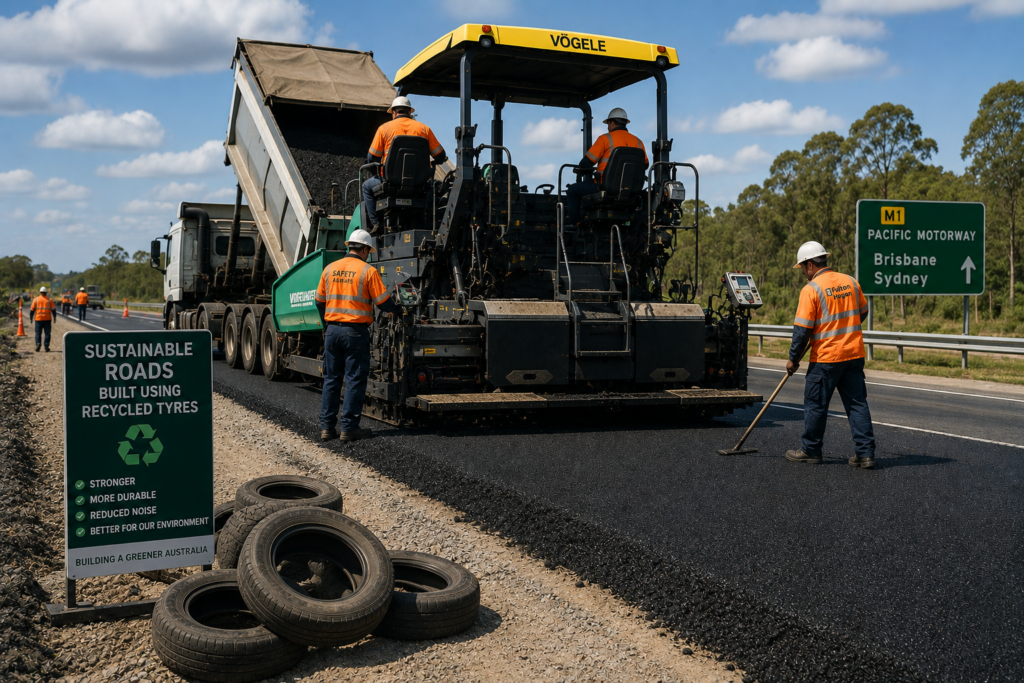
Across the country, recycled tyre rubber is being used in modern road construction projects to create stronger, quieter, and more sustainable roads.
Instead of sending waste tyres to landfill, tyre recycling Australia initiatives are transforming discarded rubber into valuable construction materials that support long-term infrastructure development.
As governments, councils, and contractors focus more on sustainability, recycled rubber asphalt is becoming an increasingly important part of Australia’s future road networks.
The Growing Problem of Waste Tyres in Australia
Millions of tyres reach the end of their lifecycle every year across Australia.
Without proper recycling systems, these tyres can create serious environmental risks including:
- Landfill overflow
- Illegal dumping
- Fire hazards
- Soil contamination
- Air pollution
Tyres are highly durable and can take decades to decompose naturally.
This has increased the demand for sustainable tyre disposal and recycling solutions that can repurpose waste materials instead of allowing them to accumulate in landfill sites.
What Is Rubberized Asphalt?
Rubberized asphalt is a road construction material that incorporates recycled tyre rubber into traditional asphalt mixes.
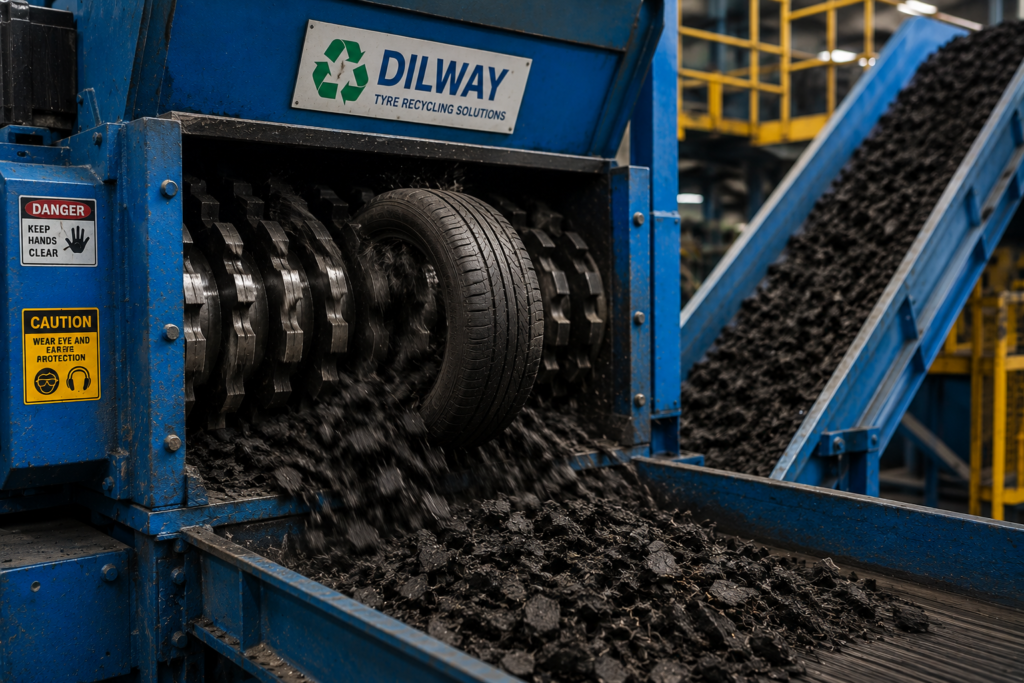
During the recycling process, tyres are shredded and processed into rubber crumb or granules. These materials are then blended into asphalt for use in road construction projects.
This approach gives waste tyres a second life while improving road performance.
How Recycled Tyres Are Processed for Road Construction
The process typically includes:
- Tyre collection
- Sorting and inspection
- Tyre shredding
- Steel and fibre separation
- Rubber crumb production
- Asphalt mixing and road application
Modern tyre recycling facilities use advanced machinery to convert old tyres into high-quality recycled rubber materials suitable for infrastructure applications.
Benefits of Rubberized Asphalt for Australian Roads
Recycled rubber asphalt offers several major advantages compared to traditional road materials.
Improved Road Durability
Rubberized asphalt is more flexible than standard asphalt, helping roads resist:
- Cracking
- Surface fatigue
- Temperature expansion
- Heavy traffic wear
This can extend the lifespan of roads and reduce long-term maintenance costs.
Reduced Road Noise
One of the most recognized benefits of rubberized asphalt is noise reduction.
Rubber-modified roads can help decrease traffic noise levels, improving urban and residential environments near busy roads and highways.
Better Resistance to Harsh Australian Conditions
Australian roads experience extreme weather conditions including:
- Intense heat
- Heavy rainfall
- UV exposure
- Heavy freight traffic
Rubberized asphalt can improve road resilience under these demanding conditions.
Supports Sustainable Infrastructure Development
Using recycled rubber in road construction helps reduce landfill waste while supporting environmentally responsible infrastructure projects.
This contributes to:
- Circular economy initiatives
- Sustainable material recovery
- Lower environmental impact
- Green infrastructure development
Environmental Benefits of Recycled Rubber Roads
Sustainable road construction is becoming increasingly important for Australian governments and contractors.
Key Environmental Benefits Include:
- Reducing waste tyre stockpiles
- Diverting tyres from landfill
- Conserving raw construction materials
- Lowering environmental pollution
- Supporting sustainable procurement practices
For councils and infrastructure developers, recycled rubber roads demonstrate commitment to environmental responsibility and innovation.
Where Rubberized Asphalt Is Being Used
Around the world, recycled rubber asphalt is already being used in:
- Highways
- Urban roads
- Local council streets
- Airport runways
- Industrial access roads
Australia is continuing to expand investment in sustainable road technologies as infrastructure demand grows nationwide.
Why Sustainable Construction Matters
Construction and infrastructure industries are under increasing pressure to reduce environmental impact.
Governments, businesses, and communities are prioritizing:
- Sustainable development
- Carbon reduction
- Waste minimization
- Eco-friendly infrastructure
Using recycled tyre materials helps road construction projects align with modern environmental goals while improving long-term infrastructure performance.
The Future of Tyre Recycling in Infrastructure
As Australia moves toward greener infrastructure systems, recycled rubber applications are expected to continue growing.
Emerging opportunities include:
- Smart infrastructure materials
- Green public works projects
- Sustainable transport systems
- Circular economy construction solutions
Tyre recycling Australia initiatives will play an increasingly important role in supporting these future developments.
Conclusion
Waste tyres are no longer just an environmental problem — they are becoming a valuable resource for sustainable infrastructure development.
Through advanced tyre recycling and rubberized asphalt technologies, Australia is transforming old tyres into stronger, quieter, and more environmentally responsible roads.
For governments, councils, contractors, and industries, recycled rubber road construction represents a practical step toward a cleaner and more sustainable future.
Frequently Asked Questions
What is rubberized asphalt?
Rubberized asphalt is asphalt mixed with recycled tyre rubber to improve road durability, flexibility, and sustainability.
Why are recycled tyres used in roads?
Recycled tyre rubber helps reduce landfill waste while improving road performance and reducing traffic noise.
Is rubberized asphalt durable?
Yes. Rubberized asphalt is designed to improve flexibility and resistance to cracking and wear.
How does tyre recycling help road construction?
Tyre recycling converts waste tyres into reusable rubber materials that can be incorporated into asphalt and infrastructure projects.
Are recycled rubber roads environmentally friendly?
Yes. They help reduce waste, conserve materials, and support sustainable infrastructure development.