Sustainability is no longer just a trend — it has become a major business responsibility across Australia.
From construction companies and transport fleets to councils and industrial operations, businesses are under increasing pressure to reduce waste and improve environmental practices.
One of the biggest challenges many industries face is managing waste tyres responsibly.
Without proper disposal systems, used tyres can create serious environmental, legal, and operational risks. Fortunately, modern tyre recycling Australia solutions are helping businesses transition toward safer and more sustainable waste management practices.
The Growing Waste Tyre Problem in Australia
Australia generates millions of end-of-life tyres every year.
These tyres come from:
- Passenger vehicles
- Commercial trucks
- Construction equipment
- Agricultural machinery
- Industrial fleets
Improper disposal can quickly lead to major environmental issues including:
- Illegal dumping
- Landfill overflow
- Fire hazards
- Soil contamination
- Water pollution
As environmental regulations continue evolving, businesses can no longer ignore the importance of responsible tyre disposal.
Why Landfill Disposal Is No Longer Sustainable
For many years, landfill was considered the easiest solution for waste tyres.
Today, this approach is becoming increasingly unsustainable because tyres:
- Take decades to break down
- Occupy large landfill space
- Trap gases underground
- Create environmental pollution risks
- Increase long-term waste management costs
Many Australian industries are now shifting toward recycling and material recovery solutions instead of traditional disposal methods.
What Is Sustainable Tyre Disposal?
Sustainable tyre disposal focuses on:
- Recycling waste tyres
- Recovering reusable materials
- Reducing landfill waste
- Supporting circular economy systems
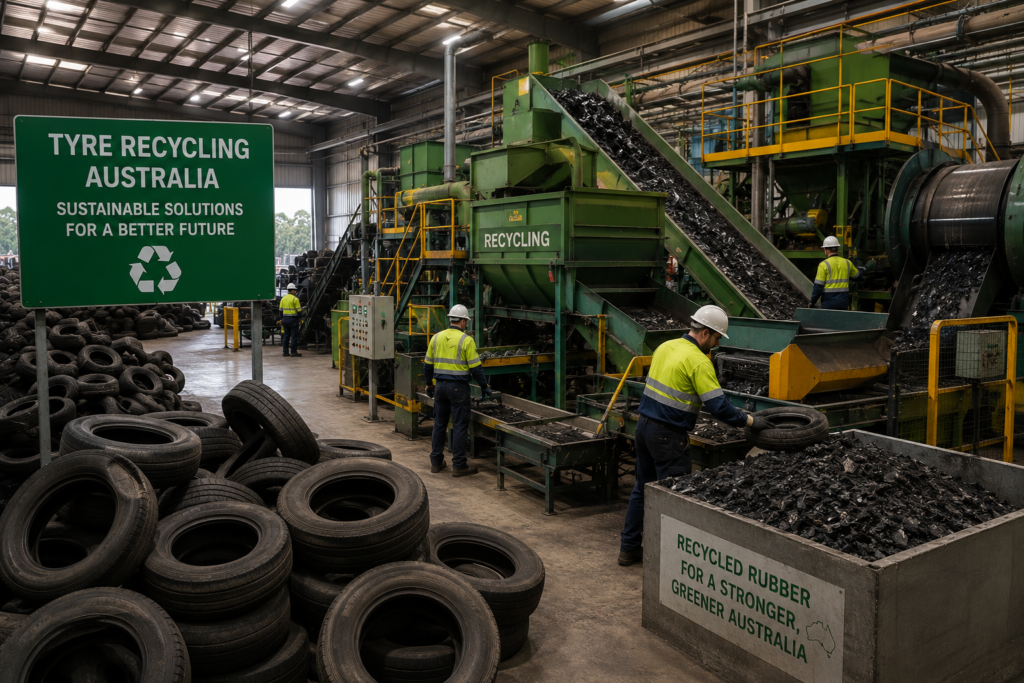
Modern tyre recycling facilities process old tyres into:
- Rubber crumb
- Recycled rubber granules
- Steel
- Industrial rubber materials
These products are then reused across construction, sports infrastructure, road development, and manufacturing industries.
Environmental Benefits for Businesses
Businesses that adopt sustainable tyre disposal practices can significantly reduce their environmental impact.
Key Benefits Include:
- Lower landfill contributions
- Reduced pollution risks
- Improved sustainability performance
- Better resource recovery
- Reduced environmental liability
For companies focused on ESG goals and environmental reporting, sustainable waste management has become increasingly important.
Improving Corporate Reputation
Customers, investors, and communities are paying closer attention to environmental responsibility.
Businesses that prioritize sustainable practices often benefit from:
- Stronger public trust
- Improved brand reputation
- Better stakeholder confidence
- Enhanced corporate image
Environmental responsibility is now a major competitive advantage across many industries.
Supporting Australia’s Circular Economy
Tyre recycling Australia initiatives play an important role in supporting the circular economy.
Instead of treating tyres as waste, recycling transforms them into valuable reusable materials.
This helps:
- Reduce raw material demand
- Support sustainable manufacturing
- Minimize industrial waste
- Improve resource efficiency
Circular economy practices are becoming a key focus for Australian businesses and infrastructure projects.
Industries That Benefit from Sustainable Tyre Disposal
Many industries generate large volumes of waste tyres.
These include:
- Transport and logistics
- Construction
- Mining
- Agriculture
- Local councils
- Automotive services
Professional recycling solutions help these industries manage tyre waste more efficiently while maintaining environmental compliance.
Recycled Tyres Are Creating Valuable New Products
One of the biggest advantages of tyre recycling is that waste tyres can be repurposed into useful materials.
Applications include:
- Playground flooring
- Sports surfaces
- Rubberized asphalt roads
- Industrial flooring
- Construction materials
This creates environmental and economic value from materials that would otherwise become waste.
Government and ESG Pressure Is Increasing
Australian businesses are facing growing pressure from:
- Environmental regulations
- Sustainability targets
- ESG reporting requirements
- Corporate environmental policies
Sustainable tyre disposal helps organizations align with modern environmental expectations while reducing operational risks.
Why Businesses Need Professional Tyre Recycling Partners
Choosing a reliable recycling provider is essential for responsible waste management.
Businesses should look for recycling partners that offer:
- EPA-compliant processes
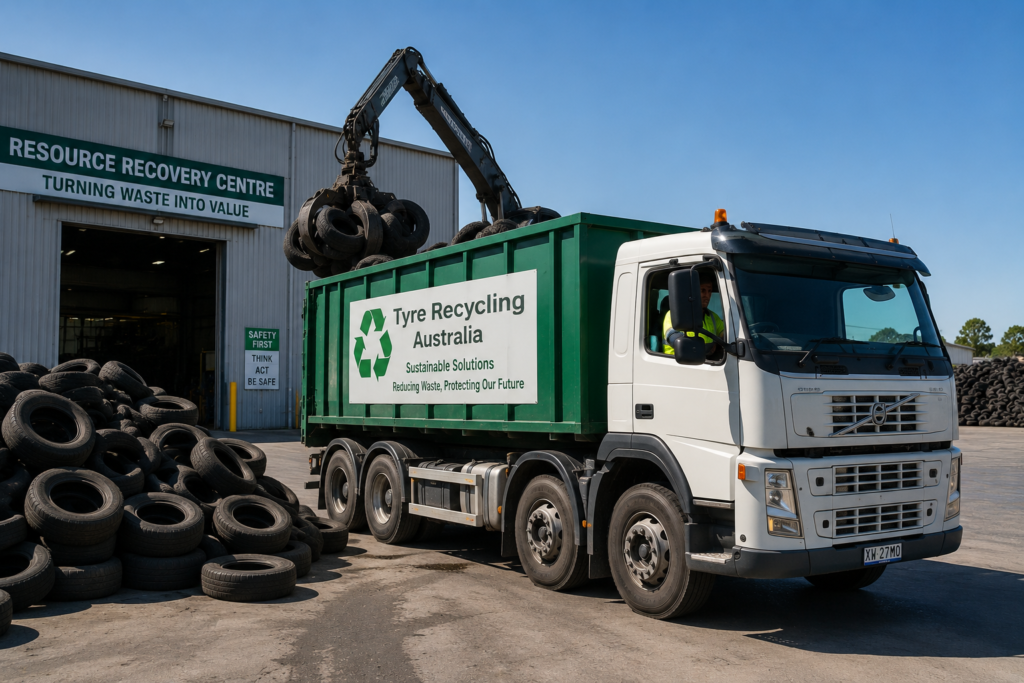
- Reliable tyre collection services
- Sustainable recycling systems
- Industry experience
- Transparent waste handling practices
Working with experienced tyre recycling companies helps ensure tyres are processed safely and responsibly.
The Future of Sustainable Waste Management
Australia is moving toward greener industries and more sustainable infrastructure systems.
Growing investment in:
- Circular economy programs
- Green construction
- Sustainable infrastructure
- Environmental innovation
is increasing demand for responsible tyre recycling and waste recovery solutions.
Businesses that adopt sustainable practices today will be better positioned for future environmental standards and customer expectations.
Conclusion
Sustainable tyre disposal is no longer optional for modern Australian businesses.
Responsible tyre recycling helps reduce environmental impact, improve corporate sustainability, and support Australia’s transition toward a circular economy.
By partnering with professional tyre recycling providers, businesses can turn waste management challenges into opportunities for sustainability and long-term environmental responsibility.
Frequently Asked Questions
Why is sustainable tyre disposal important?
It helps reduce landfill waste, prevent pollution, and support environmentally responsible recycling practices.
What happens to recycled tyres?
Recycled tyres are processed into reusable materials such as rubber crumb, steel, and industrial rubber products.
Which industries need tyre recycling services?
Transport, construction, mining, agriculture, councils, and automotive industries commonly require tyre recycling solutions.
How does tyre recycling support sustainability?
It reduces waste, conserves resources, supports circular economy systems, and lowers environmental impact.
Can businesses improve ESG performance through tyre recycling?
Yes. Sustainable waste management practices can support environmental reporting, ESG goals, and corporate sustainability initiatives.