How to Dispose of Waste Tyres in Australia: A Complete Business Guide
For an Australian business that regularly removes tyres from vehicles, the pile can grow faster than expected. A busy workshop, tyre retailer, fleet operator or council depot can quickly end up with hundreds of tyres that need to be moved off-site safely and responsibly.
The challenge is that waste tyres are not simply another item to put in a general waste bin. Businesses need to consider storage, collection, transport, authorised receiving facilities, recycling options and the records needed to demonstrate that the tyres were handled correctly.
This guide explains how to dispose of waste tyres in Australia in a practical, business-focused way. From estimating your tyre volumes to choosing a suitable collection provider and keeping disposal documentation, the aim is to help you build a process that is safer, more traceable and better suited to Australia’s waste-management requirements.
Why Waste Tyre Disposal Requires More Planning
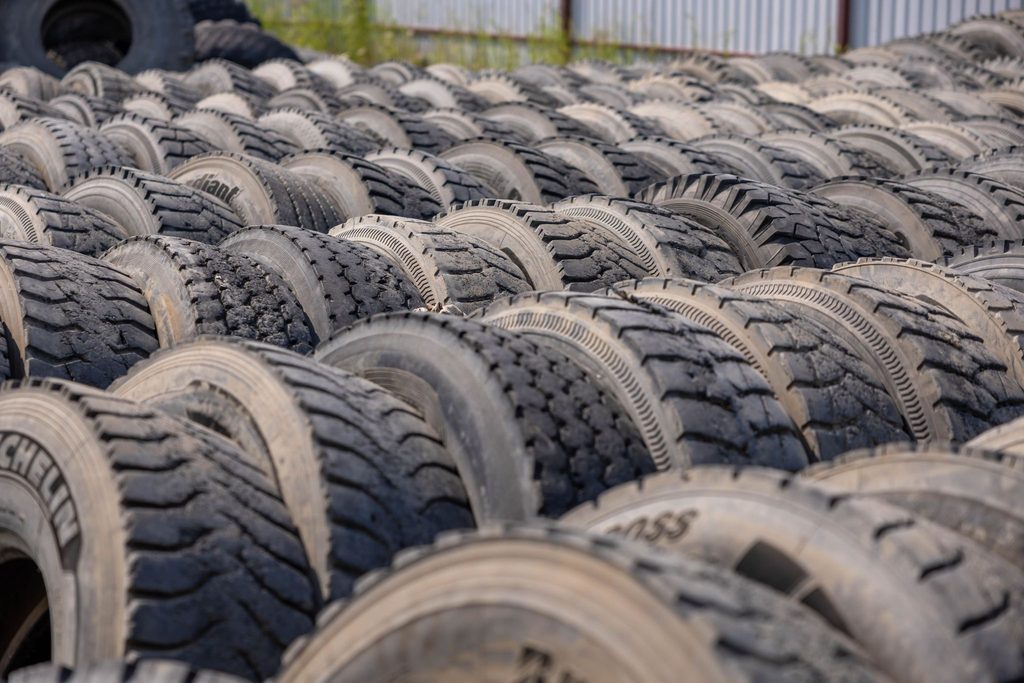
End-of-life tyres create several management challenges. They are bulky, combustible and difficult to handle once large quantities accumulate, while their rubber, steel and textile components can still have value when properly processed.
That is why responsible disposal should generally be approached as a resource recovery process, rather than simply finding somewhere to dump unwanted tyres.
Australian businesses also have responsibilities around where their waste goes. For example, NSW EPA guidance states that waste must be transported to a place that can lawfully accept it, while specific waste-tracking requirements apply to certain quantities of waste tyres transported within NSW.
The exact requirements can differ between states and territories, so a business should not assume that a disposal arrangement that works in one location automatically meets the requirements elsewhere.
How to Dispose of Waste Tyres in Australia: The Practical Process
There is no single disposal method that suits every business. The right approach depends on the number and type of tyres you generate, your location, collection frequency and the available recovery pathway.
A practical process usually looks like this:
- Assess the type and volume of tyres you generate.
- Store them safely while awaiting collection.
- Choose an authorised and experienced tyre collection partner.
- Arrange suitable transport and collection.
- Confirm where the tyres are being processed or disposed of.
- Obtain and retain the relevant documentation.
- Where possible, prioritise recycling and resource recovery over landfill.
Let’s look at each step in more detail.
1. Assess Your Waste Tyre Volume and Type
Before requesting a collection, work out approximately how many tyres your business generates and how regularly they need to be removed.
A tyre retailer replacing several hundred passenger tyres each month will have very different requirements from a construction company replacing a smaller number of heavy-duty tyres.
Consider:
- Number of tyres generated per week or month
- Passenger, light commercial, truck, agricultural or OTR tyres
- Current storage capacity
- Available loading access
- Preferred collection frequency
- Whether tyres are stored loose, stacked or in designated cages
- Whether you require occasional or scheduled collections
Accurate volume information makes it easier for a tyre disposal business to recommend an appropriate collection arrangement and provide a realistic quotation.
It can also help identify whether your current storage practices are creating unnecessary fire or operational risks.
Don’t Wait Until Your Storage Area Is Full
A common mistake is waiting until tyres have accumulated into a large stockpile before organising collection.
This creates pressure on your team, takes up valuable operating space and can increase fire-safety concerns. A regular collection schedule is often easier to manage than repeatedly arranging emergency removal after the storage area becomes overloaded.
2. Store Waste Tyres Safely Before Collection
Collection is only one part of responsible tyre management. Until the tyres leave your premises, your business still needs to manage the risks associated with storing them.
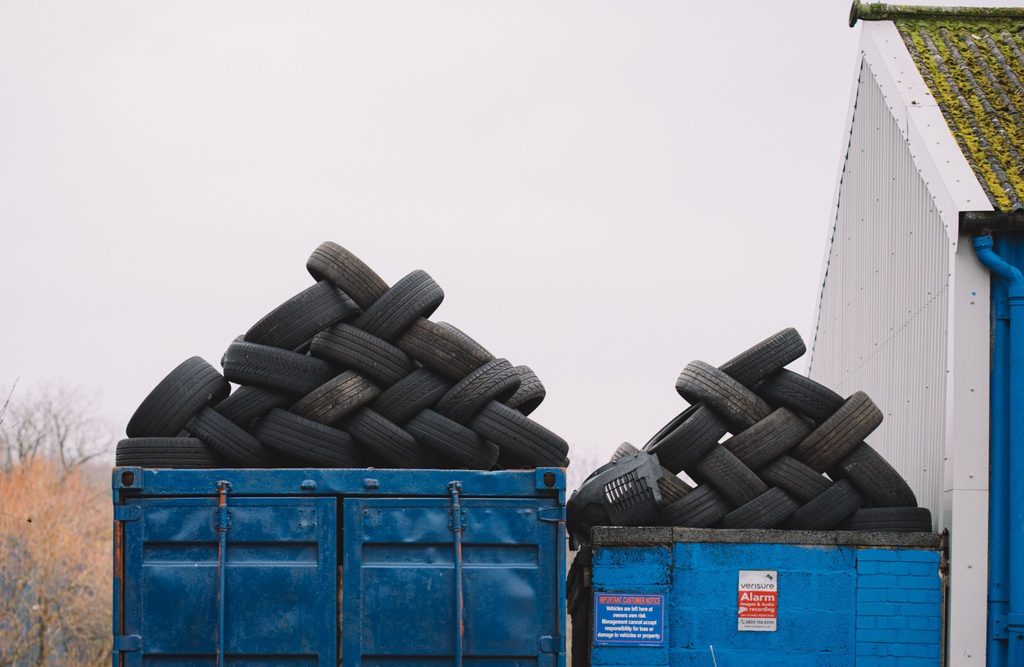
Tyres are combustible, and large stockpiles can be difficult to extinguish if they catch fire. EPA Victoria specifically highlights the fire risk associated with waste tyres and recommends managing storage to reduce the potential for harm.
Good practice includes:
- Keeping tyre storage areas organised and accessible.
- Avoiding unnecessary accumulation.
- Keeping tyres away from ignition sources.
- Maintaining clear access for collection vehicles and emergency services.
- Separating waste tyres from incompatible waste streams where appropriate.
- Following the storage requirements applicable in your state.
State thresholds can also matter. In Victoria, for example, certain permissions apply when waste tyre storage reaches specified volumes, with different requirements depending on the quantity and circumstances.
If your business regularly holds significant quantities of tyres, check the requirements that apply to your particular site rather than relying on a generic national rule.
3. Choose a Compliant Waste Tyre Collection Partner
Choosing the cheapest pickup option is not necessarily the best way to manage commercial tyre waste.
The important question is what happens after the tyres leave your premises.
A responsible collection provider should be able to explain where the tyres are going, how they are transported, what processing or recovery pathway is used, and what documentation you will receive.
Tyre Stewardship Australia maintains a directory of accredited tyre collectors and recyclers, giving businesses a way to identify organisations participating in the national Tyre Product Stewardship Scheme.
When comparing providers, ask:
- Are you accredited through Tyre Stewardship Australia?
- Where will my tyres be taken?
- Are the receiving and processing facilities authorised?
- How is the collection documented?
- What waste-tracking information will I receive?
- Are the tyres recycled or sent to landfill?
- Can you handle my tyre types and volumes?
- Do you provide scheduled commercial collections?
For businesses looking specifically for EPA compliant tyre disposal, documentation and traceability should be part of the conversation from the beginning, rather than something requested after collection.
4. Arrange Collection and Compliant Transport
Once the collection is booked, the provider should coordinate the practical movement of the tyres from your site.
This includes determining the appropriate vehicle, loading requirements, collection timing and destination.
Your responsibilities can vary depending on the state or territory and the nature of the waste movement. NSW, for example, has specific tracking requirements for loads of waste tyres meeting certain thresholds. The NSW EPA states that loads of 20 or more tyres or 200 kg or more must be tracked through its Integrated Waste Tracking Solution when the relevant NSW requirements apply.
This is particularly important for businesses operating across multiple locations. A fleet company with depots in different states may need to account for different regulatory systems rather than treating all collections identically.
5. Make Sure the Tyres Go to a Lawful Destination
One of the most important parts of the disposal process is confirming the destination.
A collection receipt showing that tyres were picked up does not necessarily tell you what happened to them afterwards.
NSW EPA guidance specifically advises businesses to check that their waste tyres are taken to a lawful place and to retain information about the transporter and receiving facility.
Where possible, ask your provider to confirm:
- The receiving facility
- The type of processing undertaken
- Relevant licence, registration or consent details where applicable
- The quantity collected
- The collection date
- The final processing or disposal pathway
This creates a much stronger audit trail than simply keeping an invoice for a collection service.
What About Landfill?
Landfill rules are not identical across Australia.
In Victoria, for example, large waste tyres cannot simply be sent to landfill whole. EPA Victoria states that waste tyres must be reprocessed at a suitable facility or shredded before landfill disposal, with tyre pieces disposed to landfill required to be no larger than 250 mm.
Western Australia also has restrictions around tyre disposal, including a tyre landfill exclusion zone covering areas around Perth.
The broader takeaway is simple: don’t assume landfill is an acceptable default disposal route for commercial tyres. Recycling and recovery options should be investigated first, and any disposal route needs to comply with the rules applying at the relevant location.
6. Keep Your Waste Tracking and Disposal Documentation
For a business, responsible disposal should leave a paper trail.
The exact documents you receive will depend on the provider, state requirements and the type of collection, but useful records can include:
- Collection dockets
- Weighbridge information
- Waste tracking records
- Transporter details
- Receiving facility details
- Processing or recycling confirmation
- Invoices and service records
- Relevant compliance documentation
NSW EPA guidance recommends retaining written information about the transporter, facility and quantities involved, including receipts or dockets from the waste facility.
These records can become valuable during internal audits, environmental reporting, procurement reviews or questions from regulators.
For businesses with multiple branches, it is also worth keeping records centrally rather than relying on individual workshop managers to retain paperwork locally.
7. Consider What Happens to the Tyres After Collection
The most useful shift in thinking is to stop viewing end-of-life tyres purely as waste.
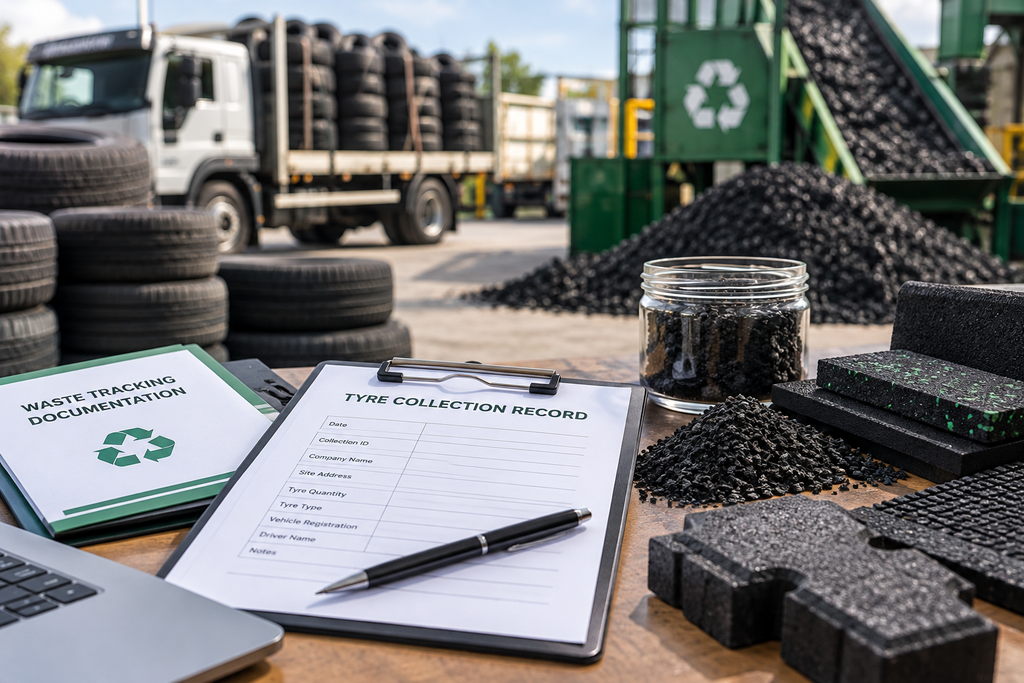
Once tyres are collected and processed, their materials can be converted into products such as rubber crumb and granules for applications across construction, landscaping, sports and manufacturing.
This creates another commercial connection: businesses that generate waste tyres are supplying a material stream, while other businesses may be looking to source recycled rubber.
For example, recycled rubber products can be used in applications including sports surfaces, playground systems, landscaping products, flooring and selected construction applications, depending on the product specification and intended use.
If your business is purchasing recycled rubber rather than disposing of tyres, rubber crumb and granules can be evaluated according to particle size, application, quality requirements and supply volume.
The Australian Government also regulates exports of waste tyres under the Recycling and Waste Reduction Act 2020 and associated rules. Certain processed tyre materials can be exported when the relevant requirements and licensing conditions are met.
This is another reason to work with a provider that can explain the actual downstream pathway rather than simply promising “recycling”.
A Simple Waste Tyre Disposal Checklist for Businesses
Before your next collection, run through this checklist:
Before collection
- Estimate your current tyre volume.
- Identify the tyre types you generate.
- Check your storage area and fire-safety controls.
- Decide whether you need a one-off or recurring collection.
- Confirm the provider’s accreditation and compliance credentials.
During collection
- Confirm the collection quantity.
- Ensure the tyres are loaded safely.
- Keep the collection docket or tracking information.
- Record the date and collection location.
After collection
- Confirm the receiving or processing facility.
- Retain disposal and recycling documentation.
- Keep waste-tracking records where required.
- Review whether your collection frequency is appropriate.
- Consider whether your business could reduce storage time by scheduling regular pickups.
For larger organisations, these steps can be incorporated into an environmental management system or standard operating procedure.
Common Mistakes Businesses Should Avoid
Treating tyres like general rubbish
Tyres require specialist handling and may be subject to specific storage, transport and tracking requirements.
Choosing a collector without checking the destination
A low-cost collection means little if you cannot establish where the tyres ultimately went.
Allowing tyres to accumulate for too long
Large stockpiles consume space and can increase fire and operational risks.
Assuming the rules are identical nationwide
Waste regulation is administered across different jurisdictions, and requirements can vary between states and territories.
Keeping only an invoice
An invoice proves that you paid for a service. It does not necessarily provide a complete record of the waste’s movement and final destination.
Frequently Asked Questions
How do I dispose of waste tyres in Australia?
Businesses should arrange collection through an authorised and suitable tyre recycler or waste provider, ensure the tyres are transported to a lawful destination, and retain relevant collection, tracking and processing records. Requirements vary between states and territories.
Can businesses put waste tyres in landfill?
Landfill rules vary by jurisdiction, and whole tyres may be restricted or prohibited in certain circumstances. For example, Victoria requires large tyre pieces to be reprocessed or shredded before landfill and limits the size of tyre pieces accepted for landfill.
What is the safest way to store waste tyres before collection?
Keep tyres organised in a designated area away from ignition sources, avoid unnecessary stockpiling and maintain access for collection and emergency vehicles. Businesses should follow the storage requirements that apply in their state.
What documentation should I receive after waste tyre collection?
Depending on the circumstances, useful records can include collection dockets, quantities, transporter information, receiving-facility details, waste-tracking records and confirmation of processing or recycling. NSW EPA guidance specifically recommends retaining records relating to transport and the receiving facility.
Is a TSA-accredited tyre recycler worth considering?
TSA accreditation provides a recognised way to identify businesses participating in Australia’s national Tyre Product Stewardship Scheme. Businesses can use the TSA directory to find accredited tyre collectors and recyclers.
Conclusion
For Australian businesses, responsible tyre disposal is more than arranging a truck to remove unwanted tyres. The process should cover safe storage, compliant collection, lawful transport, appropriate processing and reliable documentation from pickup through to the final destination.
A structured approach also makes commercial sense. Regular collections can prevent stockpiles from taking over valuable space, while proper records give businesses greater visibility over how their waste is managed.
If you need a commercial collection and recycling partner, Dilway provides tyre collection, processing and compliance reporting for businesses across its Australian service network. Tyre collection and recycling services can be arranged around your tyre volumes and operational requirements.