Introduction
Australia generates millions of end of life tyres every year. While tyres are essential for transportation, logistics, construction, and industrial operations, they also create one of the country’s fastest growing waste challenges when improperly disposed of.
According to industry reports, millions of used tyres are discarded annually across Australia, and a significant portion still ends up in landfill sites, illegal dumping areas, or stockpiles that pose serious environmental and fire risks. As sustainability becomes a national priority, businesses, councils, and industries are increasingly searching for smarter waste solutions that reduce environmental harm while supporting circular economy initiatives.
This is where tyre recycling Australia is becoming a critical part of the country’s environmental future.
Modern recycling technologies are transforming waste tyres into valuable recycled rubber products used in roads, playgrounds, sports surfaces, construction materials, and industrial applications. Companies like Dilway are helping drive this transition by providing environmentally responsible tyre recycling and sustainable waste management solutions across Australia.
Why Waste Tyres Are a Growing Environmental Problem
Discarded tyres may seem harmless, but they create long term environmental and public safety issues when not handled properly.
Key Environmental Risks of Improper Tyre Disposal
- Landfill overflow and space consumption
- Toxic chemical leakage into soil and groundwater
- Increased fire hazards from tyre stockpiles
- Mosquito breeding and public health risks
- Carbon emissions from uncontrolled burning
- Long decomposition periods that can exceed decades
Unlike organic waste, tyres do not break down naturally at a fast rate. Their complex composition makes them highly durable, which is beneficial on roads but problematic after disposal.
Improper tyre disposal also creates major sustainability concerns for local councils, construction companies, transport fleets, and industrial businesses that generate large volumes of waste tyres.
What Is Tyre Recycling?
Tyre recycling is the process of collecting, processing, and repurposing used tyres into reusable materials and products.
Instead of sending tyres to landfill, advanced recycling facilities separate and process components such as:
- Rubber
- Steel
- Textile fibers
These materials are then reused across multiple industries.
The Basic Tyre Recycling Process
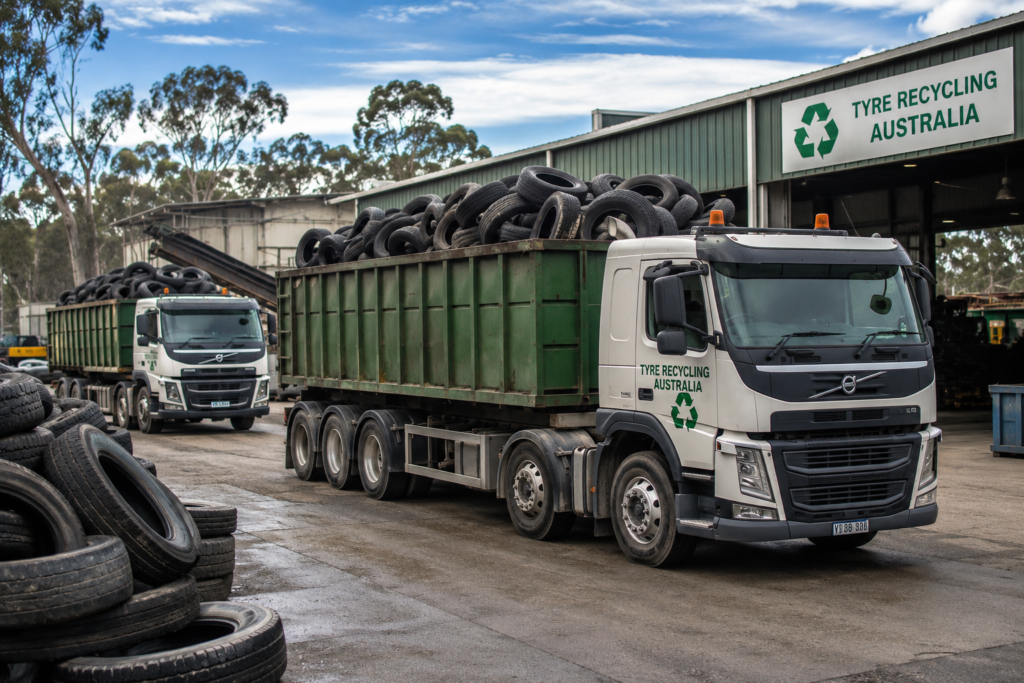
1. Collection and Transportation
Used tyres are collected from:
- Automotive workshops
- Transport fleets
- Construction companies
- Industrial sites
- Waste facilities
2. Sorting and Inspection
Tyres are inspected and sorted based on:
- Condition
- Size
- Material type
- Potential reuse opportunities
Some tyres may be suitable for retreading before recycling.
3. Shredding and Processing
Tyres are mechanically shredded into smaller pieces.
Specialized equipment separates:
- Steel
- Textile fibers
- Rubber granules
The rubber is further processed into crumb rubber or recycled rubber material.
4. Repurposing Into New Products
Recycled rubber Australia industries use these materials in:
- Road construction
- Sports surfaces
- Playgrounds
- Industrial flooring
- Construction materials
- Landscaping products
The Environmental Benefits of Tyre Recycling Australia
Reduces Landfill Waste
One of the biggest benefits of sustainable tyre disposal is reducing landfill dependency.
Tyres occupy significant landfill space due to their size and durability. Recycling diverts waste away from landfill systems and helps Australia move toward more sustainable waste management practices.
Supports the Circular Economy
Tyre recycling transforms waste into reusable raw materials.
This supports:
- Resource efficiency
- Material recovery
- Reduced demand for virgin rubber
- Sustainable manufacturing
The circular economy model helps industries reduce environmental impact while improving long term sustainability performance.
Lowers Carbon Emissions
Using recycled rubber often requires less energy than manufacturing new raw materials.
This contributes to:
- Lower greenhouse gas emissions
- Reduced industrial energy consumption
- Improved environmental sustainability outcomes
For businesses focused on ESG goals and sustainable operations, tyre recycling can support broader environmental commitments.
Prevents Illegal Dumping
Illegal tyre dumping creates environmental pollution and costly cleanup challenges for councils and communities.
Professional tyre recycling services Australia help businesses dispose of tyres responsibly while maintaining environmental compliance.
Where Recycled Rubber Is Used in Australia
One of the most exciting aspects of waste tyre recycling is the wide range of applications for recycled rubber materials.
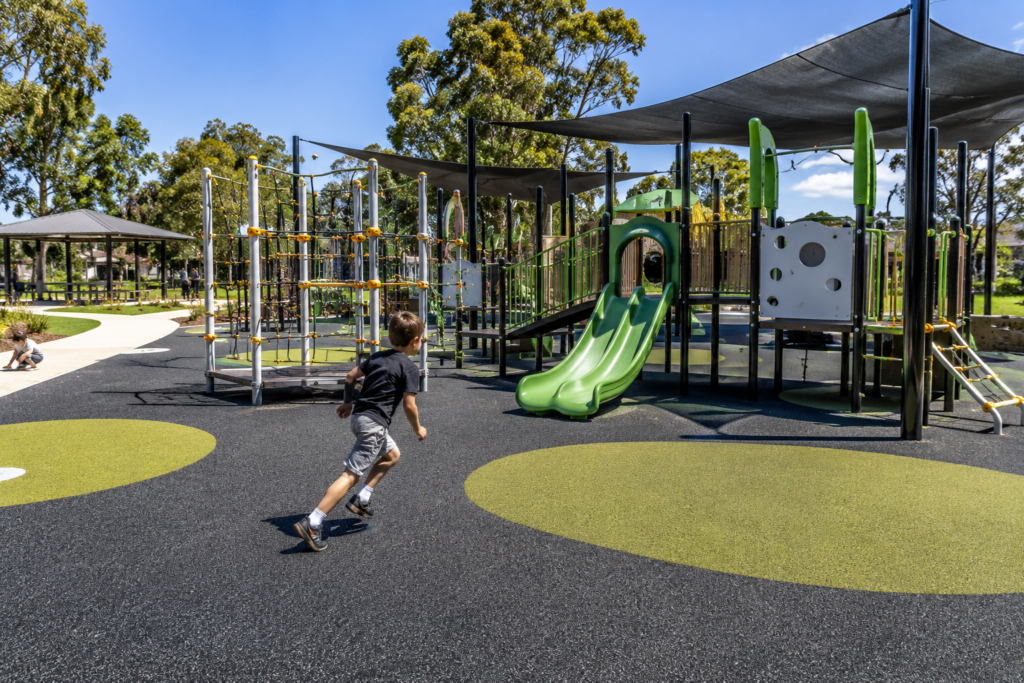
Recycled Rubber in Playgrounds
Recycled rubber surfaces are widely used in playgrounds because they provide:
- Shock absorption
- Slip resistance
- Safety for children
- Long lasting durability
Rubber crumb Australia products are increasingly replacing traditional hard playground surfaces.
Sports and Fitness Surfaces
Sports facilities use recycled rubber for:
- Running tracks
- Artificial turf infill
- Gym flooring
- Multi purpose sports courts
These surfaces improve durability, cushioning, and performance.
Road Infrastructure and Asphalt
Recycled tyre rubber is increasingly used in road construction and asphalt technology.
Benefits include:
- Reduced road noise
- Improved flexibility
- Enhanced durability
- Longer road lifespan
Many Australian infrastructure projects are now exploring sustainable construction materials that incorporate recycled rubber.
Construction and Industrial Applications
Recycled rubber is also used in:
- Industrial mats
- Shock absorption systems
- Insulation products
- Construction barriers
- Flooring systems
These applications help reduce industrial waste while supporting environmentally responsible manufacturing.
Why Businesses Are Prioritizing Sustainable Tyre Disposal
Environmental sustainability is no longer optional for many industries.
Businesses are under increasing pressure from:
- Government regulations
- ESG expectations
- Environmental reporting standards
- Consumer sustainability awareness
Companies that adopt eco friendly tyre disposal practices can:
- Improve environmental compliance
- Strengthen brand reputation
- Support sustainability goals
- Reduce environmental risks
For councils and infrastructure companies, responsible tyre recycling also demonstrates commitment to community sustainability initiatives.
The Future of Tyre Recycling in Australia
Australia’s recycling sector is evolving rapidly.
Growing investment in:
- Circular economy systems
- Sustainable infrastructure
- Green manufacturing
- Environmental innovation
is creating new opportunities for tyre recycling technologies and recycled rubber applications.
As industries continue shifting toward sustainable operations, the demand for environmentally responsible recycling solutions will continue to grow.
Companies that invest early in sustainable waste management practices will be better positioned for future environmental standards and industry expectations.
Choosing the Right Tyre Recycling Partner
Selecting a professional recycling partner is critical for ensuring:
- Proper waste handling
- Environmental compliance
- Reliable collection systems
- Sustainable processing practices
When evaluating tyre recycling providers, businesses should look for:
- Industry experience
- Environmental commitment
- Scalable recycling capabilities
- Transparent waste management processes
- Sustainable operational standards
Dilway supports businesses and organizations with responsible tyre recycling and sustainable waste management solutions designed to reduce environmental impact while supporting Australia’s circular economy goals.