Every business that handles vehicles, machinery, equipment, or transport fleets eventually faces the same challenge:
What should happen to used tyres?
For many Australian businesses, waste tyres can quickly accumulate and become a compliance, environmental, and operational concern.
Improper disposal not only harms the environment but can also expose organizations to regulatory issues, reputational damage, and unnecessary risks.
That’s why EPA-compliant tyre disposal has become a critical part of responsible business operations across Australia.
What Is EPA-Compliant Tyre Disposal?
EPA-compliant tyre disposal refers to the proper collection, transportation, storage, and recycling of end-of-life tyres in accordance with environmental regulations.
The goal is to ensure tyres are:
- Safely managed
- Properly recycled
- Prevented from entering landfill unnecessarily
- Kept out of illegal dumping sites
- Processed through approved recycling channels
These practices help protect communities and support Australia’s sustainability objectives.
Why Waste Tyres Are Considered an Environmental Risk
Many people underestimate the environmental impact of discarded tyres.
However, large volumes of waste tyres can create serious issues.
Common Risks Include:
- Fire hazards
- Water contamination
- Soil pollution
- Mosquito breeding grounds
- Illegal dumping
- Long-term landfill burden
Tyre stockpile fires can be particularly dangerous because they burn intensely and can release harmful pollutants into the air.
Which Businesses Generate Waste Tyres?
Many industries generate significant volumes of waste tyres every year.
Common Examples Include:
- Automotive workshops
- Vehicle dealerships
- Transport fleets
- Logistics companies
- Construction contractors
- Mining operations
- Agricultural businesses
- Equipment rental companies
For these organizations, having a reliable tyre disposal strategy is essential.
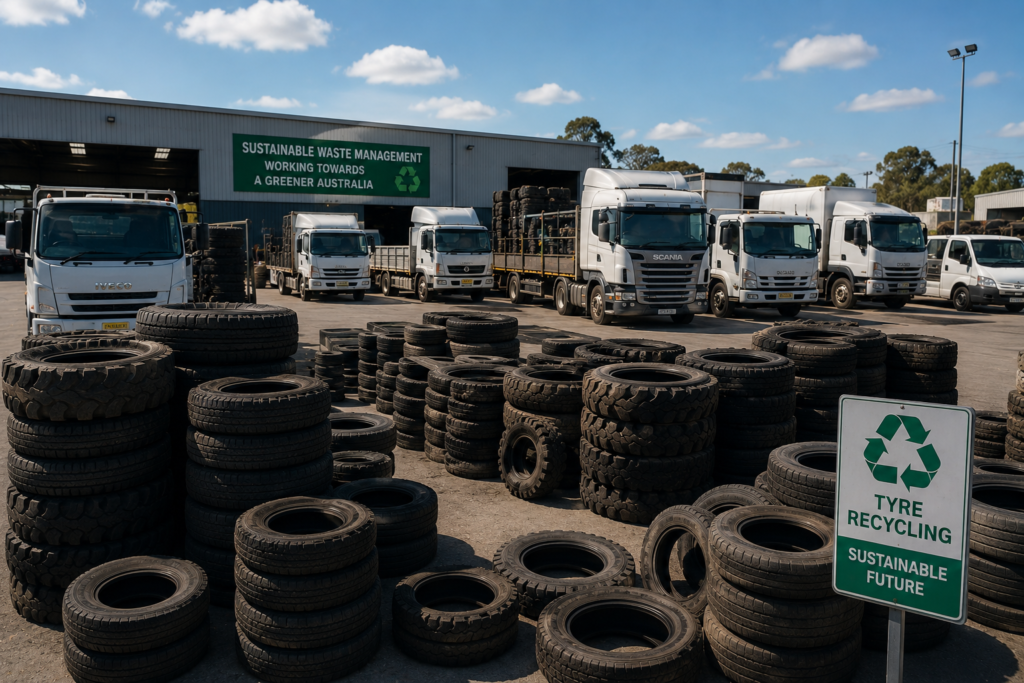
The Benefits of EPA-Compliant Tyre Disposal
Businesses that follow compliant disposal practices gain several important advantages.
Improved Environmental Responsibility
Responsible tyre recycling reduces:
- Landfill waste
- Illegal dumping
- Environmental pollution
- Resource wastage
This helps organizations support broader sustainability goals.
Better Regulatory Compliance
Environmental regulations continue to evolve across Australia.
Working with compliant tyre recycling providers helps businesses:
- Meet environmental obligations
- Reduce liability risks
- Maintain proper waste management records
- Support audit and reporting requirements
Enhanced Corporate Reputation
Customers, investors, and stakeholders increasingly expect businesses to demonstrate environmental responsibility.
Sustainable waste management practices can help strengthen:
- Brand reputation
- Community trust
- ESG performance
- Sustainability reporting
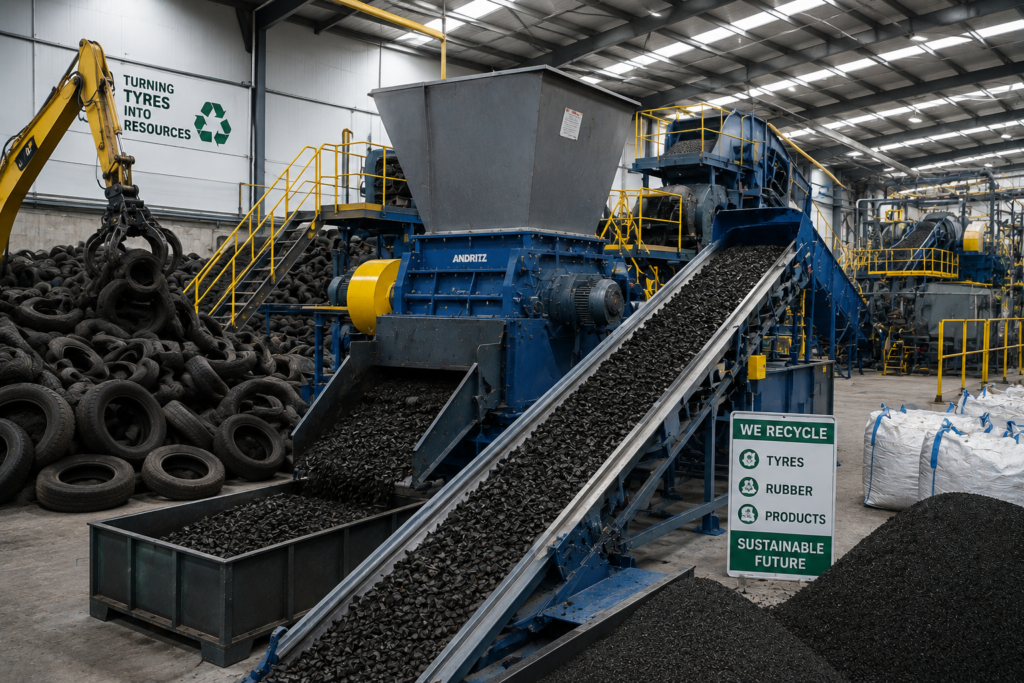
What Happens to Tyres After Collection?
When tyres are collected by professional recycling providers, they enter a recycling process that transforms them into reusable materials.
The process typically includes:
- Collection
- Inspection
- Sorting
- Shredding
- Material separation
- Rubber recovery
The resulting materials are used in:
- Roads
- Playgrounds
- Sports facilities
- Industrial flooring
- Construction projects
Why Tyre Recycling Is Better Than Landfill
Sending tyres to landfill wastes valuable resources.
Recycling allows businesses to contribute to:
Circular Economy Initiatives
Waste tyres become:
- Recycled rubber
- Rubber crumb
- Construction materials
- Industrial products
Instead of creating waste, tyres become valuable raw materials.
Reduced Environmental Footprint
Tyre recycling helps reduce:
- Landfill demand
- Pollution risks
- Raw material consumption
- Environmental impact
This supports Australia’s transition toward more sustainable industries.
How to Choose the Right Tyre Disposal Partner
Not all tyre disposal providers offer the same standards of service.
When selecting a recycling partner, businesses should look for:
Key Considerations
- Environmental compliance
- Industry experience
- Reliable collection services
- Sustainable recycling practices
- Transparent reporting
- Proven recycling capabilities
A reputable recycling partner can help ensure tyres are managed responsibly from collection through final processing.
The Future of Sustainable Waste Management
Businesses across Australia are increasingly investing in sustainable operational practices.
Growing priorities include:
- ESG reporting
- Circular economy initiatives
- Sustainable procurement
- Carbon reduction strategies
- Responsible waste management
EPA-compliant tyre disposal plays an important role in helping organizations meet these objectives.