How Fleet Operators Can Reduce Costs Through Responsible Tyre Recycling
Fleet operators manage some of the largest volumes of waste tyres in Australia.
Whether operating transport trucks, delivery vehicles, construction fleets, or commercial equipment, tyre replacement is an ongoing part of business operations.
While many businesses focus on fuel efficiency and maintenance costs, tyre disposal is often overlooked.
However, responsible tyre recycling can help fleet operators improve efficiency, support sustainability goals, and reduce long-term operational risks.
Why Fleet Operators Generate Large Volumes of Waste Tyres
Commercial fleets experience significant tyre wear due to:
- High mileage
- Heavy loads
- Road conditions
- Continuous operation
- Harsh weather environments
As a result, businesses regularly accumulate large numbers of end-of-life tyres that require proper disposal.
Without an effective management strategy, waste tyres can quickly become a logistical and environmental challenge.
Challenges of Managing Waste Tyres
Improper tyre storage and disposal can create several issues.
Common Challenges Include:
- Limited storage space
- Safety hazards
- Fire risks
- Environmental concerns
- Compliance obligations
- Additional operational costs
For fleet operators, maintaining an organised tyre disposal process is essential.
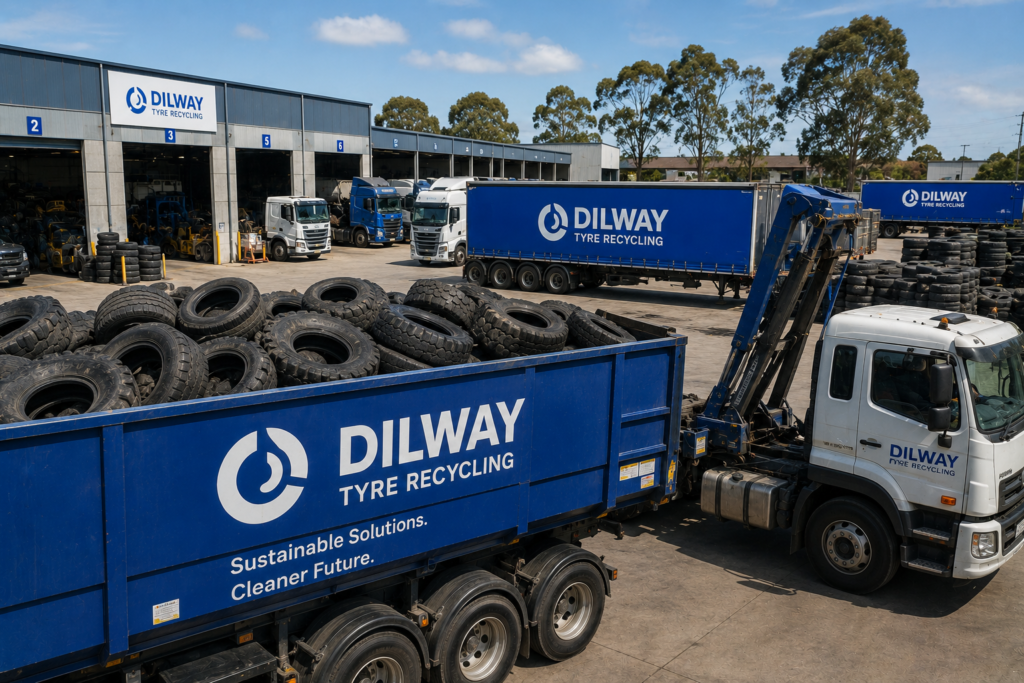
How Professional Tyre Recycling Helps Fleet Operators
Professional tyre recycling providers offer collection and recycling services designed specifically for businesses generating large tyre volumes.
Scheduled Collection Services
Regular collection programs help businesses:
- Free up valuable space
- Improve site safety
- Reduce tyre stockpiles
- Simplify waste management
This ensures tyres are removed efficiently and responsibly.
Improved Environmental Compliance
Environmental regulations continue to place greater emphasis on responsible waste management.
Working with professional recycling companies helps fleet operators:
- Meet compliance requirements
- Reduce environmental risks
- Maintain disposal records
- Support sustainability reporting
Cost Benefits of Responsible Tyre Recycling
Many businesses view tyre recycling solely as an environmental initiative.
In reality, it can also deliver operational benefits.
Potential Cost Advantages
- Reduced storage costs
- Lower waste management risks
- Improved site organisation
- Reduced liability exposure
- More efficient operations
These benefits contribute to stronger long-term business performance.
What Happens to Fleet Tyres After Collection?
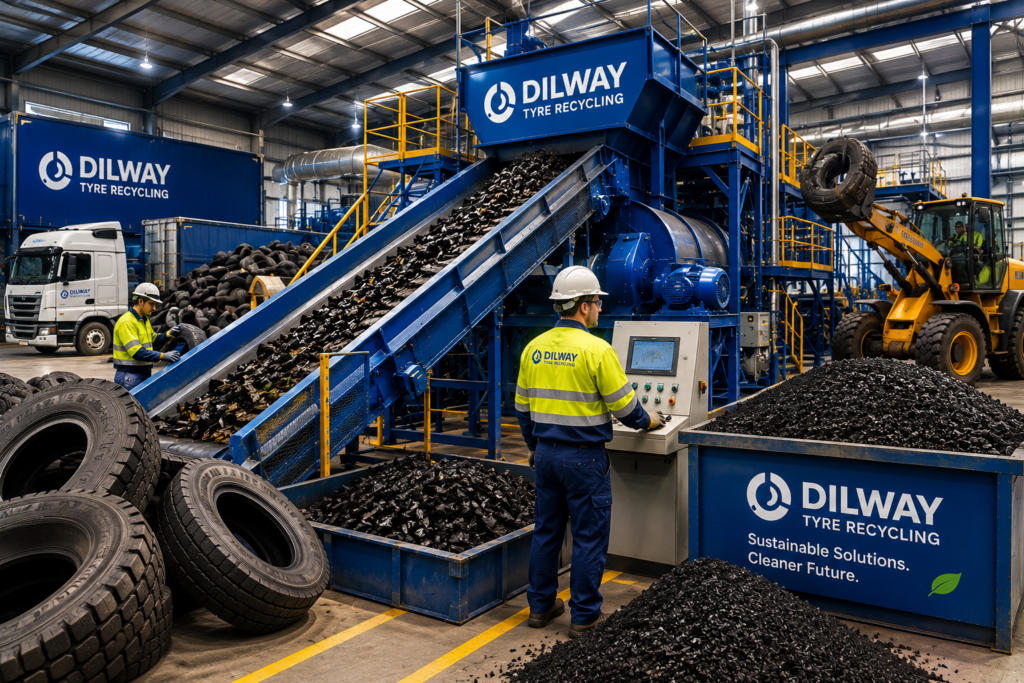
Collected tyres enter a recycling process where valuable materials are recovered.
The process typically includes:
- Collection
- Inspection
- Sorting
- Shredding
- Steel separation
- Rubber recovery
Recovered materials are then reused in various industries.
Applications include:
- Road construction
- Playground surfaces
- Sports facilities
- Industrial flooring
- Construction products
Supporting Sustainability Goals
Many transport and logistics companies are strengthening their sustainability commitments.
Tyre recycling supports:
- ESG initiatives
- Carbon reduction strategies
- Circular economy programs
- Sustainable procurement goals
Responsible recycling helps businesses demonstrate environmental leadership while reducing waste.
Why Choosing the Right Recycling Partner Matters
Not all recycling providers offer the same level of service.
Fleet operators should look for:
Key Considerations
- Industry experience
- Reliable collection schedules
- Environmental compliance
- Recycling capabilities
- Reporting transparency
- Proven track record
A trusted recycling partner helps ensure waste tyres are managed efficiently and responsibly.
The Future of Fleet Sustainability
As Australia’s transport sector continues evolving, sustainable waste management will become increasingly important.
Growing priorities include:
- ESG reporting
- Sustainable logistics
- Resource recovery
- Waste reduction
- Circular economy initiatives
Tyre recycling will remain a key component of responsible fleet management strategies.